Extending Equipment Lifespan in Power Plants
Key Takeaways:
- Power generation centrifugal castings improve long-term reliability by reducing porosity and strengthening grain structure in rotating components.
- Stainless, nickel, cobalt, and aluminum bronze alloys help power plant equipment withstand heat, pressure, corrosion, and vibration.
- Consistent material integrity extends service life, reduces maintenance frequency, and supports safer plant operation.
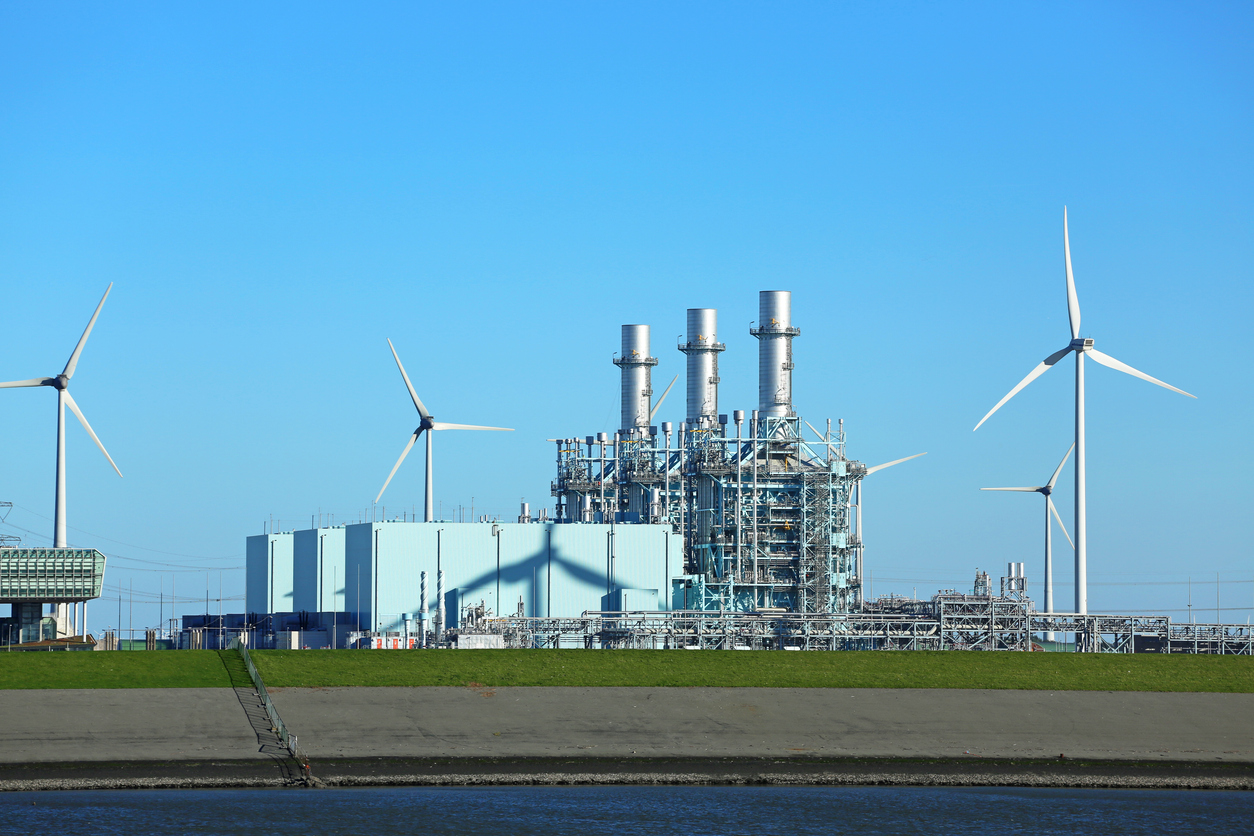
Power plants don’t run under forgiving conditions. Turbines rotate continuously, steam systems cycle through extreme temperatures, and components stay exposed to pressure, vibration, corrosion, and wear for years at a time. In that environment, long-term reliability and operational safety both depend on how well the material holds up in service.
That’s why utilities and OEMs continue to rely on power generation centrifugal castings for critical rotating and wear-resistant components.
Materials Matter in High-Load Systems
Power generation equipment demands alloys that can maintain strength and dimensional stability under constant stress. Stainless steel remains common because they balance corrosion resistance with mechanical durability. Nickel and cobalt alloys step in when temperatures climb higher or oxidation resistance becomes critical.
These materials are frequently used in:
- Turbine components
- Bushings and sleeves
- Seal rings
- Gear blanks
- Rotating assemblies
- Column sleeves
In hydroelectric, gas, nuclear, and wind systems, these components operate continuously. Material breakdown doesn’t just shorten service life. It increases downtime, maintenance costs, and operational risk.
Why Centrifugal Casting Extends Service Life
The casting process itself plays a major role in long-term durability. Power generation centrifugal castings develop a dense, uniform grain structure through directional solidification. Centrifugal force pushes cleaner metal outward while reducing porosity and internal defects.
That consistency matters in rotating equipment. Components with fewer weak points handle thermal cycling, vibration, and load changes more effectively over time.
The process also supports near-net shapes and tight dimensional control, which improves fitment and reduces excess machining.
Built for Long-Term Reliability
Delta Centrifugal® produces power plant equipment components using stainless steels, nickel alloys, aluminum bronzes, and cobalt alloys tailored to demanding operating conditions. With in-house casting, heat treating, machining, and inspection, we maintain control over both material quality and final performance.
For power generation systems, extending equipment life isn’t about overbuilding components. It’s about choosing the right alloy, the right process, and the right manufacturing partner from the start.
Metal Tariffs and the Push for a More Resilient Metal Supply Chain
Key Takeaways: Metal tariffs on steel, aluminum, and copper have raised costs and unpredictability f
Destructive vs Non-Destructive Testing of Centrifugal Casting
Key Takeaways: Casting inspection methods fall into two broad categories: destructive testing, which
How Are Bearings Made with Centrifugal Casting?
Key Takeaways: Bearings manufacturing at Delta Centrifugal® starts with centrifugal casting and fin